

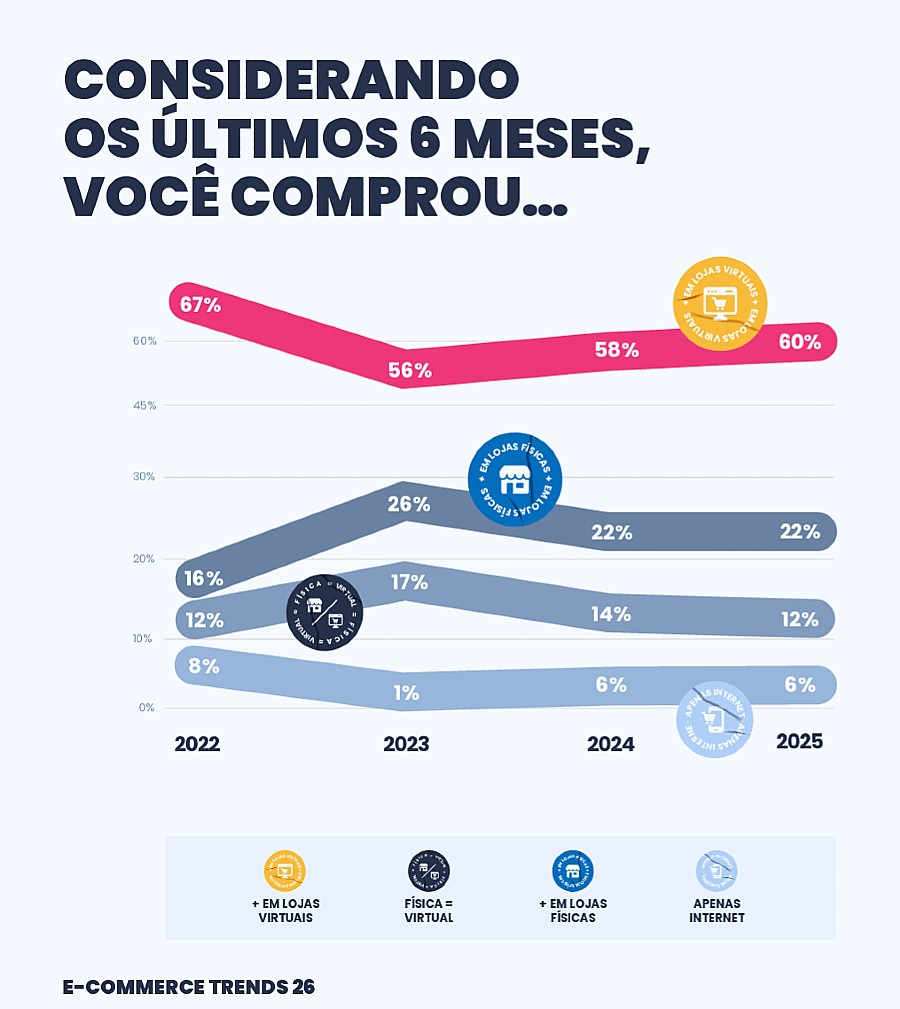
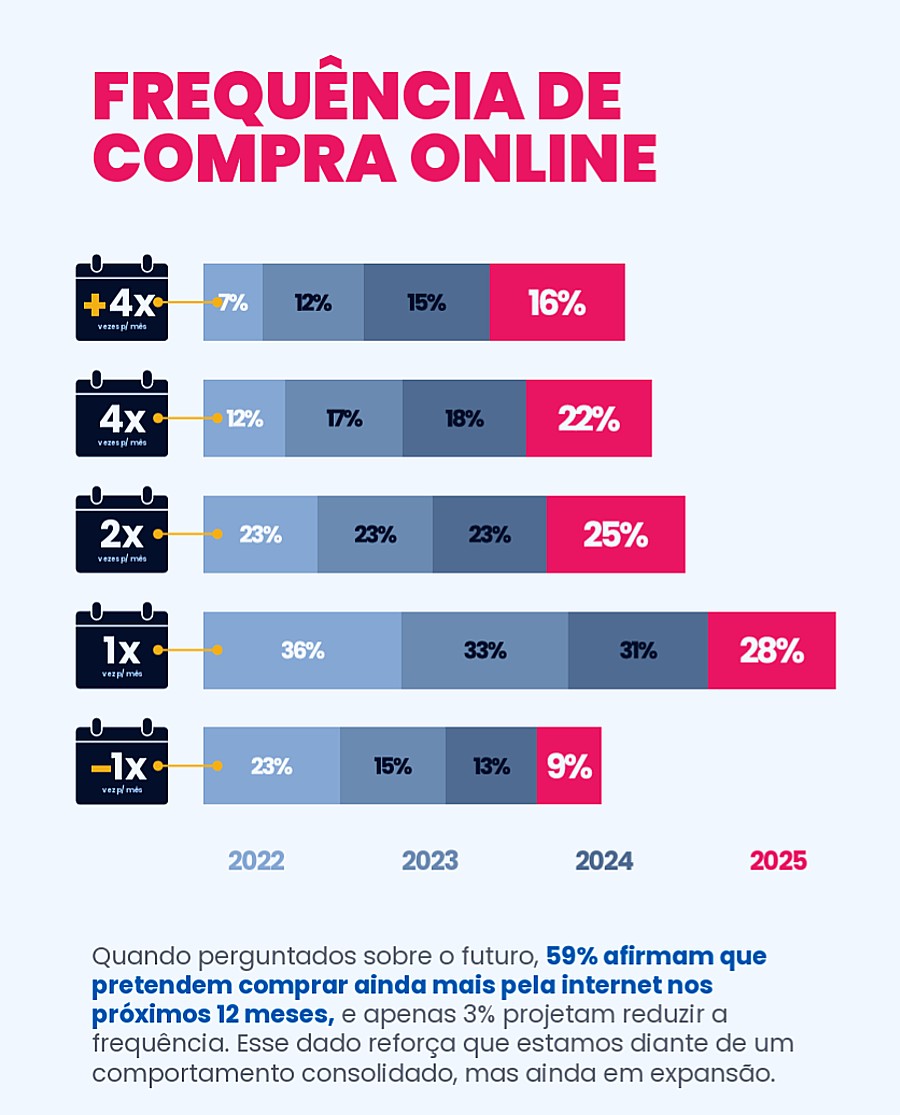
The Brazilian e-commerce landscape in 2026 reveals a consumer more connected than ever, but also far less tolerant of friction in the shopping journey. According to the “E-commerce Trends 2026” survey (conducted by Octadesk in partnership with Opinion Box), 88% of Brazilians shop online monthly. However, the figure that sounds the alarm for retailers is another: 93% have already abandoned a purchase because of the shipping cost.
If the sector's growth is a certainty — projected to generate almost R$ 260 billion this year — the survival of brands now depends on how they handle three critical pillars: logistics, security, and immediate customer service.
The Abandoned Cart Villain: Delivery Cost
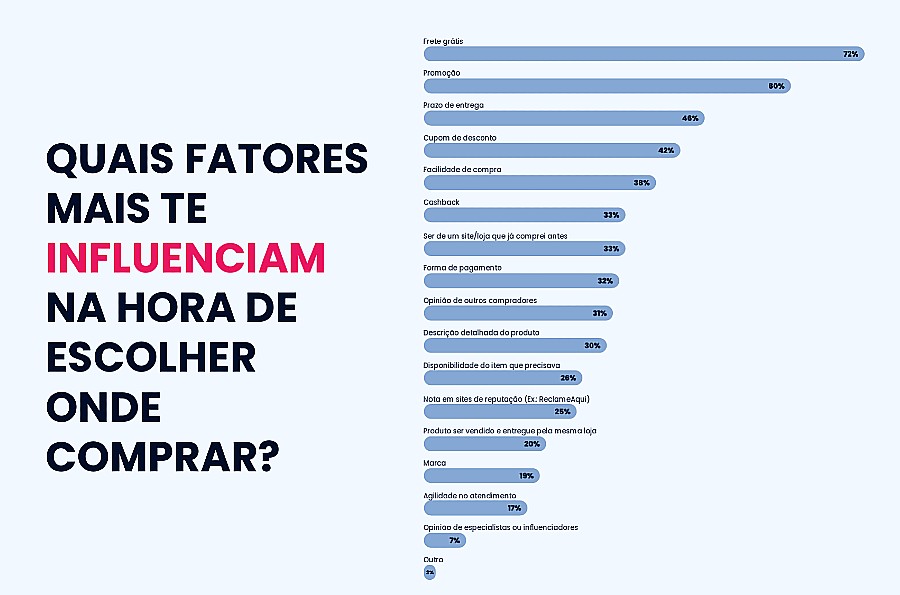
It is no secret that shipping influences sales, but in 2026 it has become the deciding factor. In addition to the 93% who abandon the cart because of the delivery price, 85% give up due to long delivery times.
For today's consumer, free shipping is no longer a benefit but the baseline expectation. Brands that do not optimize their logistics or offer in-store pickup options (omnichannel) are losing efficiency and conversion.
Fraud: The Biggest Invisible Barrier
The fear of scams has reached the highest level in the historical series: 93% of consumers stopped buying from a store due to insecurity. The figure reflects a harsh reality, where 55% of respondents have already been victims of some type of online fraud.
For an online store, conveying trust is no longer optional. The consumer evaluates:
-
The presence of real reviews from other customers.
-
The ease of finding the brand on search engines.
-
Professional design and clear information.
-
Checkout security: 64% have already given up on a product for fear of providing personal or payment data.
The WhatsApp Era and the AI Challenge
Customer service has changed its address. WhatsApp has surpassed online chat and is now the preferred channel for 37% of Brazilians to ask questions before buying. The customer no longer wants to leave the app they use all day to talk to the brand; they want an answer where they already are.
However, automation is still a pain point. Although 86% have already interacted with chatbots, only 22% had a positive experience. The most common failures are:
-
The bot does not understand the need (64%).
-
The bot does not solve the problem (61%).
Opportunity for AI: The use of Artificial Intelligence for storefront personalization and product search assistance is already accepted by a significant portion of the market, but the implementation must be seamless and truly effective.
Payment Methods: The Battle Between Credit Cards and Pix
Although installment credit cards still lead in stated preference (53%), Pix is not stopping its growth. Data from e-commerce platforms already show Pix dominating almost half of actual transactions in many sectors. Offering speed at checkout and immediate payment confirmation is vital to ensure the customer does not give up at the last second.
Conclusion: What Does Your Store Need to Do?
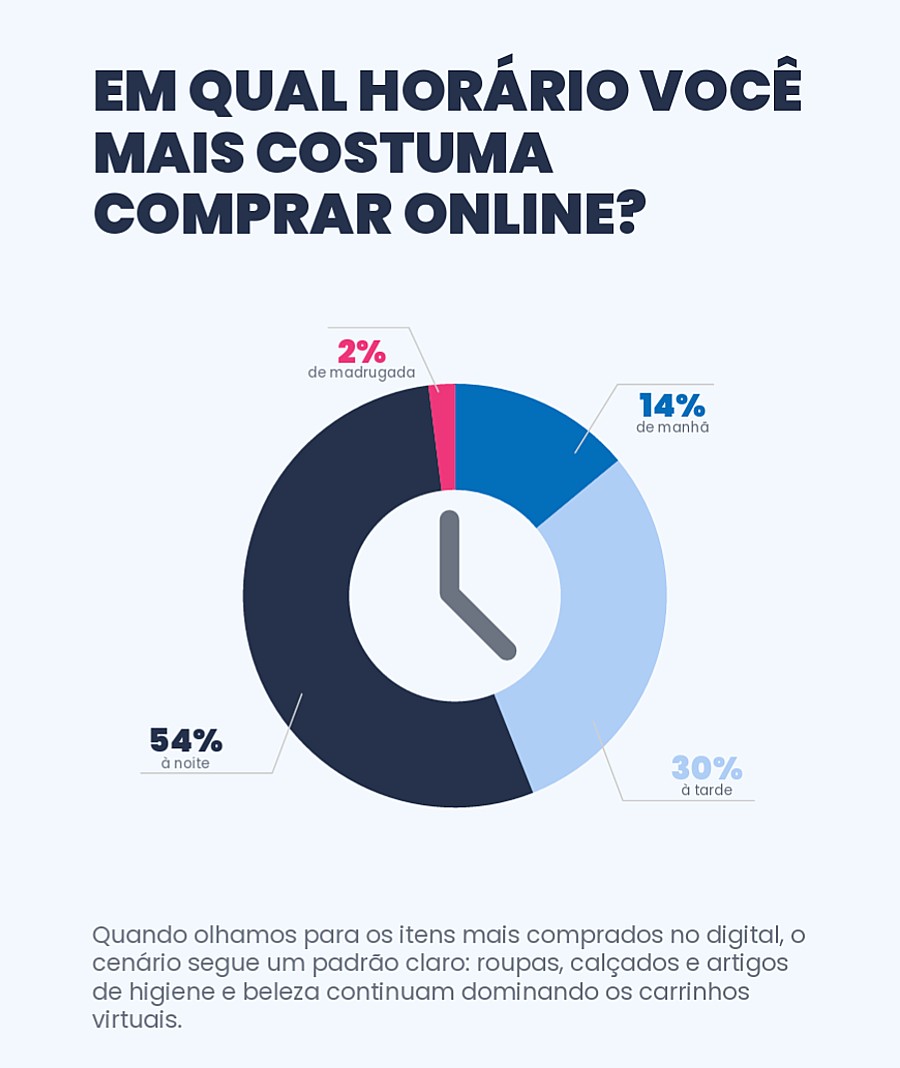
The 2026 consumer wants total convenience. They research in a physical store to buy online, buy on the website to pick up in-store, and want to be served via WhatsApp at 10 p.m.
To convert this demanding customer, the focus should be on:
-
Total transparency regarding shipping times and costs.
-
Secure checkouts that convey immediate credibility.
-
Hybrid service, combining the speed of automation with real problem-solving.
At Check, we understand that every detail of the payment and security journey directly impacts your profit. Staying aware of these trends is the first step to turning visitors into loyal customers.