

For a long time, influencer marketing in digital retail operated under the restricted rules of the top of the funnel: reach, impression volume, likes, and brand awareness. Hiring content creators worked like buying a billboard. The company paid for visibility and hoped the surge of traffic to the homepage would offset the cost of the fee.
That dynamic is a thing of the past for analytically mature operations. Recent research indicates that 88% of digital brands already use creators in ongoing seasonal campaigns and 78% in collection launches. The content creator has stopped being an isolated advertising vector and taken on the role of a structured and predictable sales channel.
However, there is a gap between sponsoring a post and operating social commerce with a focus on profitability. When a brand distributes generic discount coupons and does not map the actual origin of the conversion, it continues to operate in the dark.
The cost of operating influencer marketing with blind data
Many companies try to circumvent the rise in traditional media costs by intensifying actions with creators, but they maintain the same analysis infrastructure from the past. This mismatch between channel strategy and platform intelligence generates silent losses:
Attribution friction: without a clean data layer that tracks the user journey, the brand commissions the creator for an organic sale that would have happened naturally anyway, cannibalizing its own profit.
Stockouts during traffic spikes: high-impact actions, such as live sales, generate abrupt spikes in simultaneous demand. If the traffic from the social network enters the store and the inventory is not updated at the same speed, the system sells what it does not have and freezes at checkout.
Wasted first-party intelligence: when the audience brought by a creator visits the site and leaves without buying, the lack of data architecture prevents the company from mapping the behavior of this new audience. The opportunity for qualified remarketing disappears.
How to structure social commerce for predictability
For campaigns with creators to stop being unpredictable events and become stable revenue drivers, your operation needs to look beyond vanity metrics. At Check, we help transform the complexity of influencer marketing into control, predictability, and protected margins.
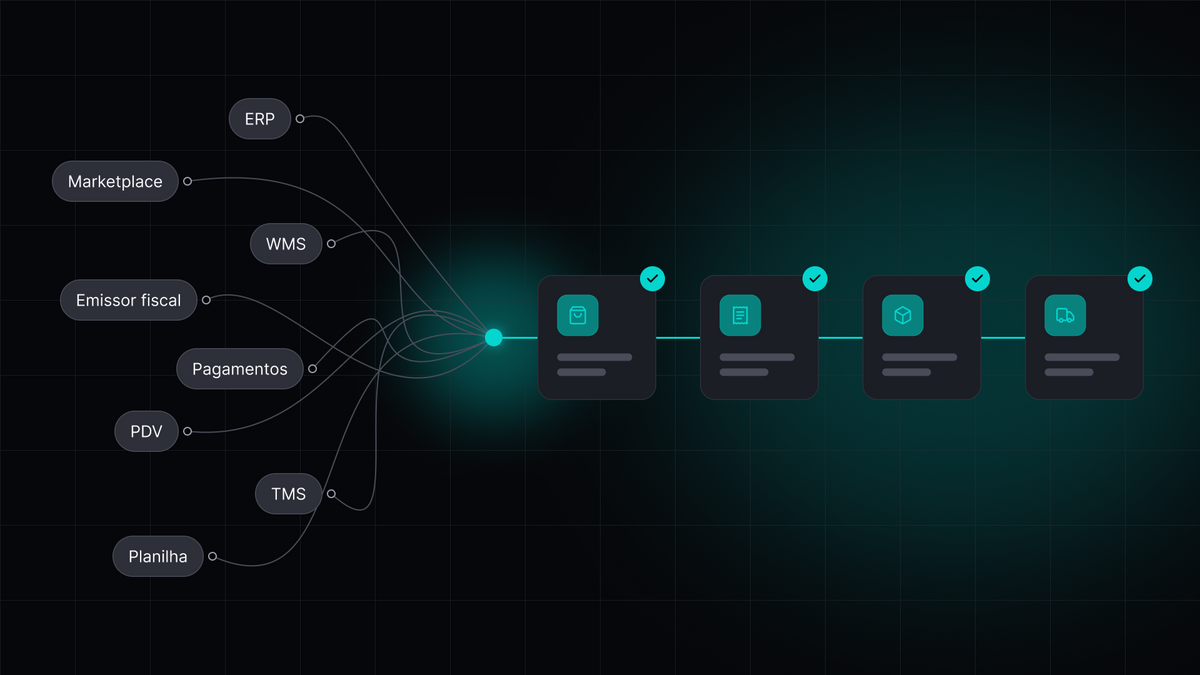
Tracking and clean attribution: we organize data capture so that your operation can identify exactly which creator brings visitors with real purchase intent and what the lifetime value of this new consumer is.
Elastic synchronization during live events: in high-density actions, we leverage Shopify's native infrastructure to support massive requests, while monitoring the integrity of inventory and pricing throughout the entire conversion peak, eliminating failures before they reach the customer's cart. This was the structure that sustained the Boca Rosa Beauty store, with R$ 5 million in sales processed in 4 hours of live streaming without stockouts.
Continuous insights on the Check Platform: through our operational dashboard, store data intersects with technical execution. Your leadership sees the real performance of each content partner and adjusts the commercial strategy based on concrete numbers, not estimates.
If your operation still treats the creator as an engaged face, and not as an acquisition partner integrated into your business's data structure, that is where revenue is left on the table.