

Online store: Sales channel or customer relationship channel?
An online store is not just a sales channel. It is a communication and customer relationship channel that makes a greater and more dynamic interaction between the buyer and seller possible, 24 hours a day, 7 days a week, always taking the company's commercial strategy into account.
Even with the best platform, if there are no good communication and customer relationship tools, sales will not happen as expected and the frustration can be great. Thousands of reais are usually spent on solutions that do not meet or fulfill the connection with the strategy proposed by the brand.
By working as a relationship channel, companies that manage to connect more deeply with the end customer, increasing the flow of feedback, improving the shopping experience, while creating a differentiator for their brand and investing in means that enable this dynamic, increase their competitiveness in the market. The effect goes beyond e-commerce and reaches all sales channels.
Many companies launch e-commerce initially “just” to better relate to their customer, which can indeed work, but the truth is that there are several ways to communicate and interact with the target audience, but they need to be very well aligned with the company's global strategy.

More and more, companies that have always depended on wholesale are also looking for retail.
According to data from the Brazilian E-commerce Association (ABComm), the growth projections for the Brazilian electronic market for 2018 are 18% and point to the consolidation of sales through mobile phones, with an expectation of totaling 33% of total orders, compared to 28% in 2017. As a result of the research commissioned by Google from Forrester Research, e-commerce in Brazil would go from the current 5.4% share of retail to 9.5% (not including food and beverage sales).
The biggest commercial challenge for the industry is to keep up with the absurdly accelerated pace of information exchange between people. This generates in the market a very considerable “shortening” of the response time to the consumer and of the strategic commercial decision-making to be adopted. Before, this response time “at the tip” took months to be understood by companies, allowing room for adjustments and changes in sales actions, today commercial articulations are agile and dynamic and no longer allow so many mistakes.
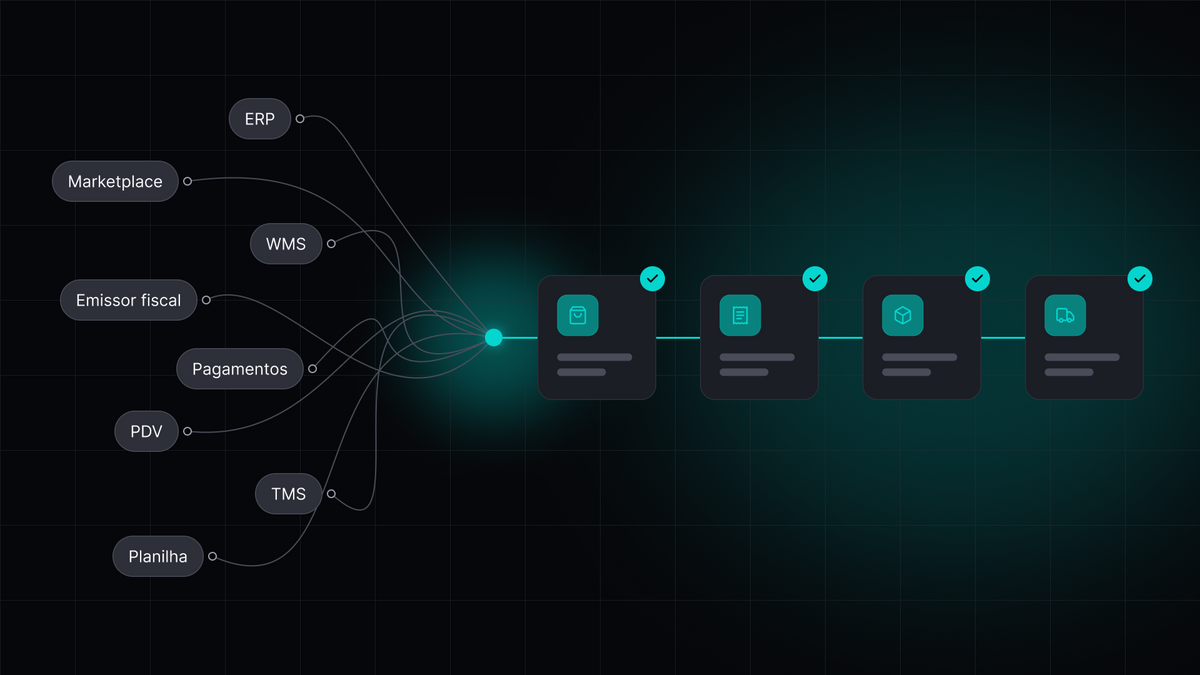
Recently, the market has been discussing what industries have been developing regarding innovation to digitally transform their businesses, especially in the commercial and customer service sector. Besides the benefits in their operations, what more valuable thing can companies extract to get closer to their customers through e-commerce if they do not collect “feedback” and boost sales?
The main strategy is related to the analysis of the customer journey. This process is in the online sales channel, where everything is measurable. The process lists, through technology, by what means and channels a person reached your brand. This is because, until a while ago, wholesale companies only had the internal view of the process – how a customer bought and paid for the product. Until then, this information arrived distorted or did not arrive at production.
Today, innovation makes it possible for industries, even when operating in wholesale, to study this journey from the outside in. With this, it became easier to understand the preferences and routine of customers and how they reached a certain market. Strategic online decision-making needs to be based on concrete data, and nothing is better than e-commerce to start this transformation.