

For years, companies have made last-mile delivery a priority, and the results have generally been mediocre. In e-commerce and other digital channels (D2C), companies have been challenged to deliver their products to customers' doors. From overstuffed boxes to damaged goods, the last mile is no easy feat. Last-mile delivery challenges are exacerbated in the digital world. As companies turn to e-commerce to grow and expand their reach, the last mile is often overlooked.
This article will highlight different solutions to ensure last-mile success. This includes testing, packaging, and addressing. You will also learn which practices are most likely to reduce returns, as well as which are not worth the time or money.
What is last-mile delivery?
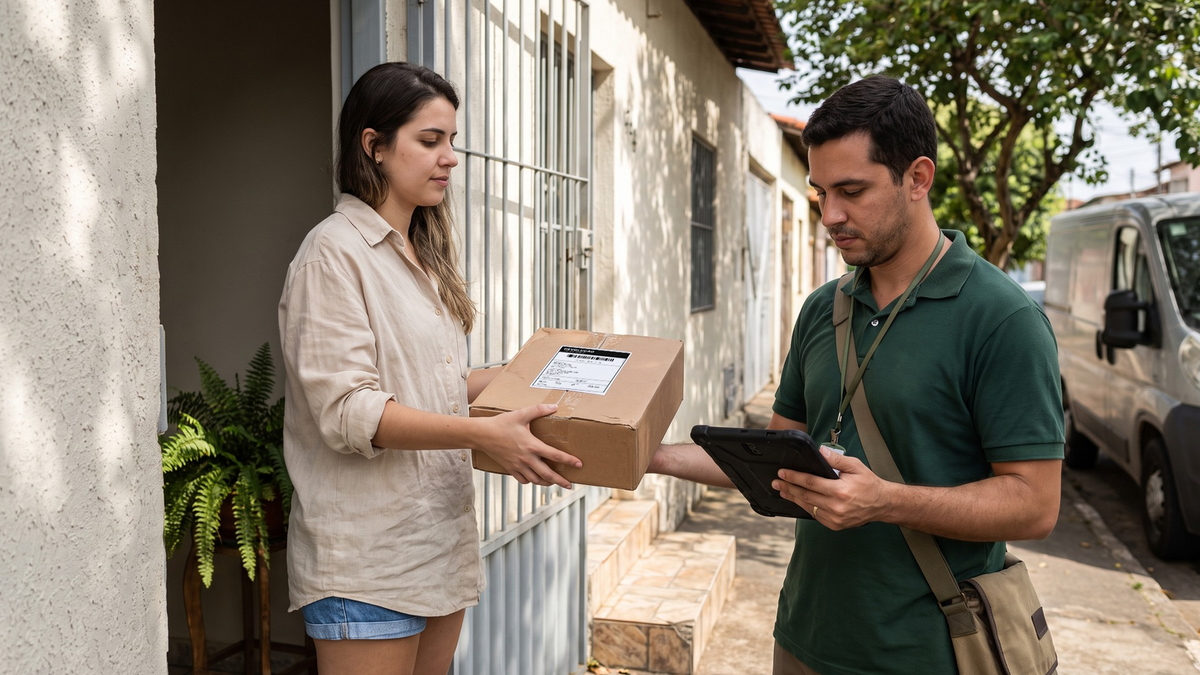
The last mile is the final stage of distribution, from the warehouse to the customer's door. The term “last mile” refers to the fact that the entire distribution process takes place at the end of a logistics chain.
The last mile is often considered the most difficult because it requires the physical presence of a logistics team. It also requires an e-commerce business to manage its inventory in real time.
In contrast, the “first mile” refers to the process of bringing products to the distribution center. This is where much of the initial inventory management takes place.
Why is last-mile delivery so difficult?
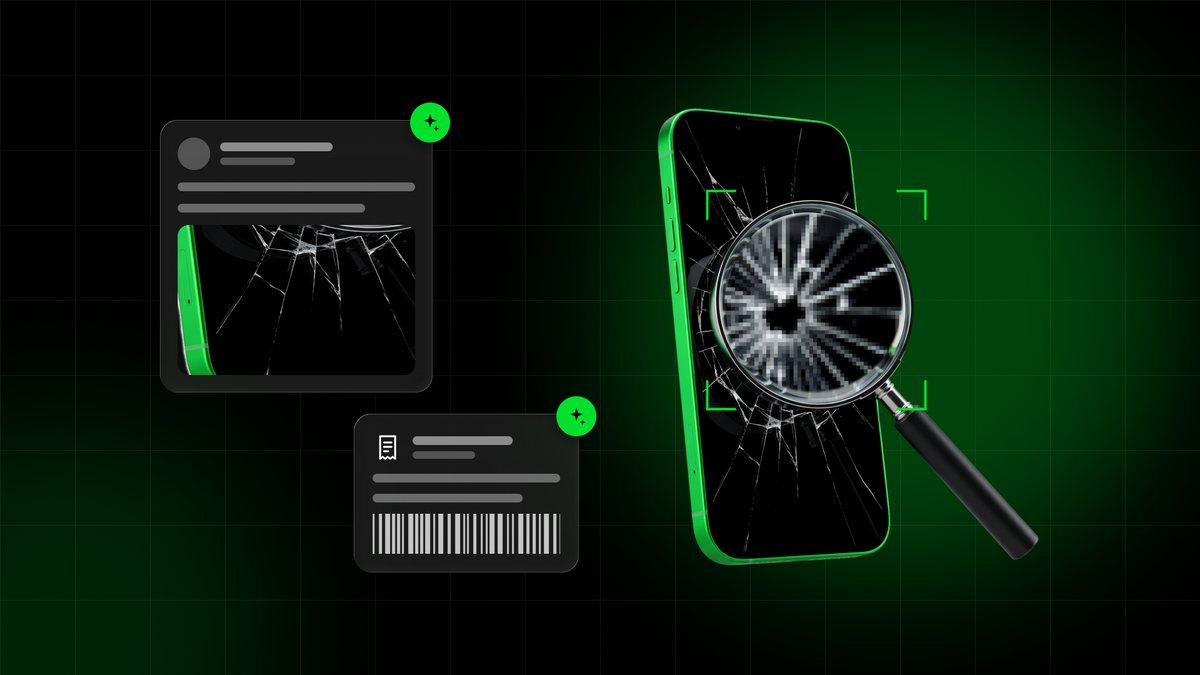
Last-mile delivery presents unique challenges because it often depends on humans to deliver packages. Humans are fallible, and even the most careful packers cannot completely eliminate the risk of damage.
Human factors can also cause problems, such as excessive wait times or inadequate access to vehicle parking or elevators. This can lead to lost shipments, missed delivery windows, or frustrated customers.
What practices reduce last-mile risk?
There are a number of practices companies can adopt to reduce last-mile risk. These include:
- Using industry-standard boxes that meet the United States Postal Service (USPS) minimum size requirements. (The USPS recommends a box size of 12 “x12 “x12.)
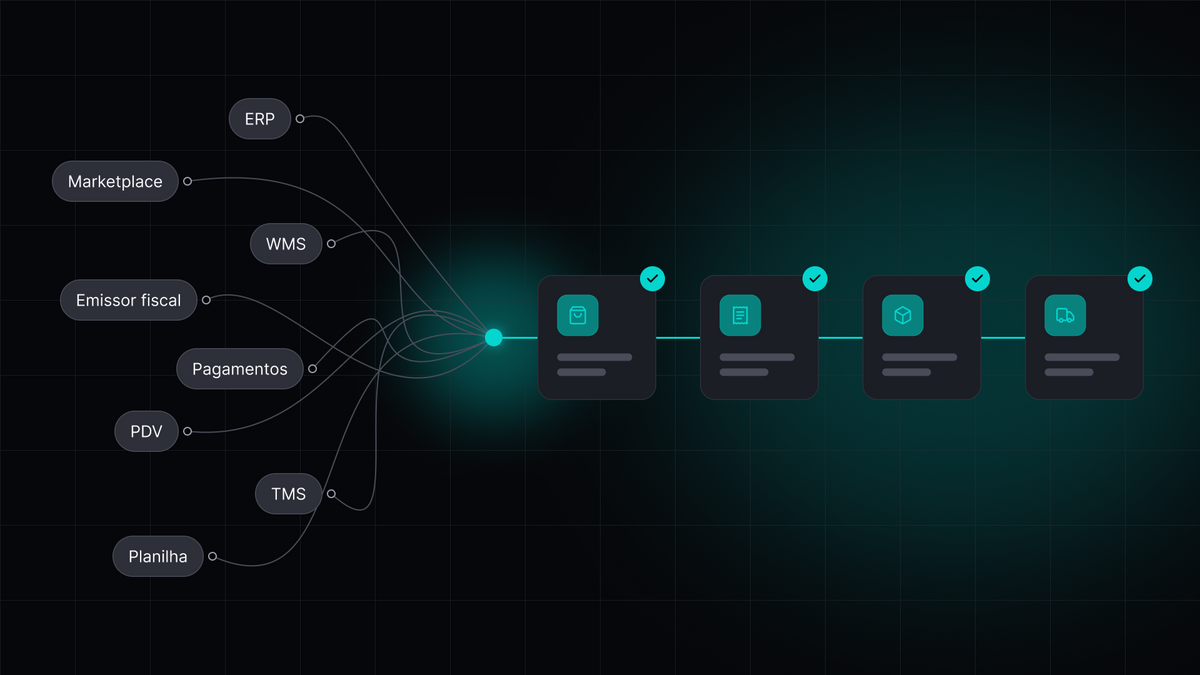
- Employing tracking software that provides real-time data, such as DPD or the FedEx website.
- Ensuring that addresses are correct.
- Ensuring that carriers address and handle packages correctly.
Enhancing the customer delivery experience
Customers increasingly expect e-commerce deliveries to be fast and easy. There is often a sense of urgency to ensure that a product is delivered on the same day an order is placed. However, some customers will require more attention, particularly those who have purchased premium products or whose addresses are difficult to access.
Several practices can be adopted to improve the customer delivery experience, including:
- Creating a virtual window dressing that informs customers when their package will be delivered. This could include a fake customer response to a gift-wrapping service. (Be sure to destroy the wrappings once the delivery is complete).
- Redesigning the “thank you” page to be more customer-friendly.
- Automating follow-up communications, such as sending a welcome email after a purchase is completed.
- Ensuring that the business has the capacity to handle a higher volume of returns.
Which practices are worth the time and money?
There are a number of practices companies can adopt to ensure last-mile success. However, not all of them are worth the effort or expense. Here are a few that companies can try, but do not necessarily need to:
- Investing in real-time analytics and machine learning to increase operational efficiency and optimize the customer delivery experience.
- Using a fleet of packers and loaders to reduce the time required to prepare packages for shipment.
- Employing a full-time returns staff that can answer customer questions about returns and exchanges.
- Adopting a returns-only business model.
Final thoughts: How to ensure last-mile success in e-commerce and reduce returns
For years, companies have made last-mile delivery a priority, and the results have generally been mediocre. In e-commerce and other digital channels (D2C), companies have been challenged to deliver their products to customers' doors. From overstuffed boxes to damaged goods, the last mile is no easy feat. Last-mile delivery challenges are exacerbated in the digital world. As companies turn to e-commerce to grow and expand their reach, the last mile is often overlooked.
This article will highlight different solutions to ensure last-mile success. This includes testing, packaging, and addressing. You will also learn which practices are most likely to reduce returns, as well as which are not worth the time or money.