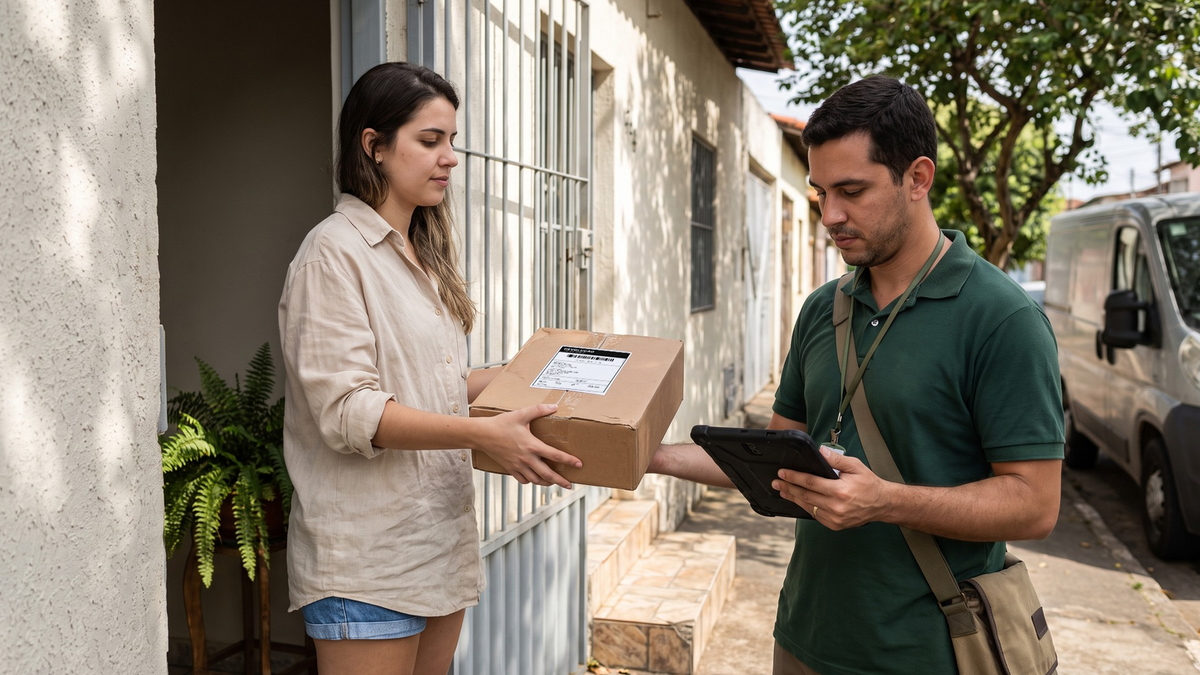


The image representing this article couldn't be better: a small, calm, clean, and organized logistics warehouse. No one seems to be idle or pulling their hair out, but is this company selling well?
Those who think that to sell more you need to generate more traffic, more discounts, or more launches are mistaken. You need to get current customers to buy again, so the company doesn't have to invest in acquiring new customers every time it makes a sale, and thus, have a sustainable business. One of the best ways to retain a customer is by offering an exceptional shopping experience.
Operational efficiency is a consensus among the most successful online stores in the world.
Amazon, MercadoLivre, Americanas, and AliExpress have one thing in common: consumers prefer to buy from a brand through these large marketplaces rather than directly from the brand's e-commerce site. The operational efficiency and guarantees that these companies offer are determining factors for consumers to transact through them.
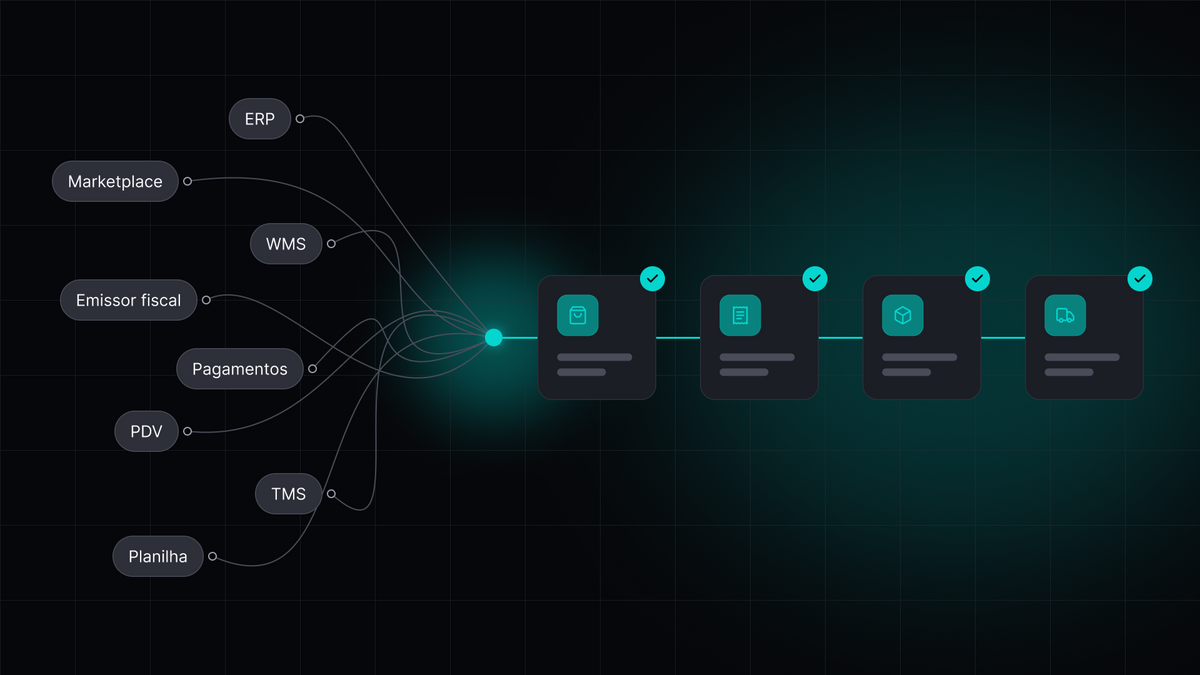
Many online stores have lost ground due to a lack of concern for operational efficiency. For many managers and business owners, having a large number of employees is a way to impress the market. It is not uncommon for small and medium-sized stores to have an excessive number of employees in the e-commerce operation doing rework. Order flows are extremely complex, bureaucratic, without integration, and without the use of technologies that automate the basic processes of shipping, billing, tracking, and customer service. For the most part, online stores operate through inefficient and unfriendly systems.
Investing in operational efficiency can reduce operating costs (which range between 20% and 35% of revenue), can enhance your reputation with positive feedback, and can improve your retention through a positive shopping experience.
Where to improve?
E-commerce operations involve several processes; let's list some that deserve attention:
- Logistics (fulfillment)
- Product verification upon entry
- Product placement to speed up picking
- Product verification upon exit
- Contracts with different carriers
- Shipping Gateway
- Delivery notifications
- Customer service
- Customer service platform
- Order data integrated into the platform
- Diversity of customer service channels
- Agility in problem-solving
- Quality survey (NPS)
- Billing
- Automated tax issuance
- State Registration in all States where you sell
- Payments
- Various payment methods
- Fast refunds
- Automated reconciliation
It is possible to increase profitability with better efficiency, so if you are looking at your stagnant e-commerce and thinking about how to generate more traffic to sell more, it is time to look at your company and improve internal processes; clear management models can save your business.