
First of all, know that any posts or articles with 10 steps to creating a successful e-commerce store are a big lie. There is no ready-made, replicable model that will guarantee the success of your online store. But in this post, we cover some valuable tips to help you start your e-commerce on the right foot.
-
Understand your business model
Many companies focused on wholesale or industrial production try their hand at e-commerce. This is a natural trend to cut out intermediaries and deliver your products directly to your end consumer, ensuring the message and shopping experience. However, the e-commerce business model is different, and to adapt to this new sales channel, the company will need to perform new activities that were not previously necessary. -
Make a plan
Write down every detail involving your business. Think about day-to-day tasks, processes, physical structure, technology, and system integrations (or updates). With the right plan, you can make the most of your own resources and reduce costs. You need to define everything regarding management, marketing, customer service, technology, logistics, inventory, potential market, types of products to be sold, area of operation, and investment amounts. -
Research the technologies
Know that platforms are not systems; they require other resources to become an e-commerce store. Only start looking for a platform once you have identified all the resources needed for your e-commerce. Define the technologies required to achieve your goal and check which services will best serve your business model. The postal service will not be suitable for a furniture store, just as a free platform will not be suitable for a complex operation. -
Check what your platform is capable of integrating
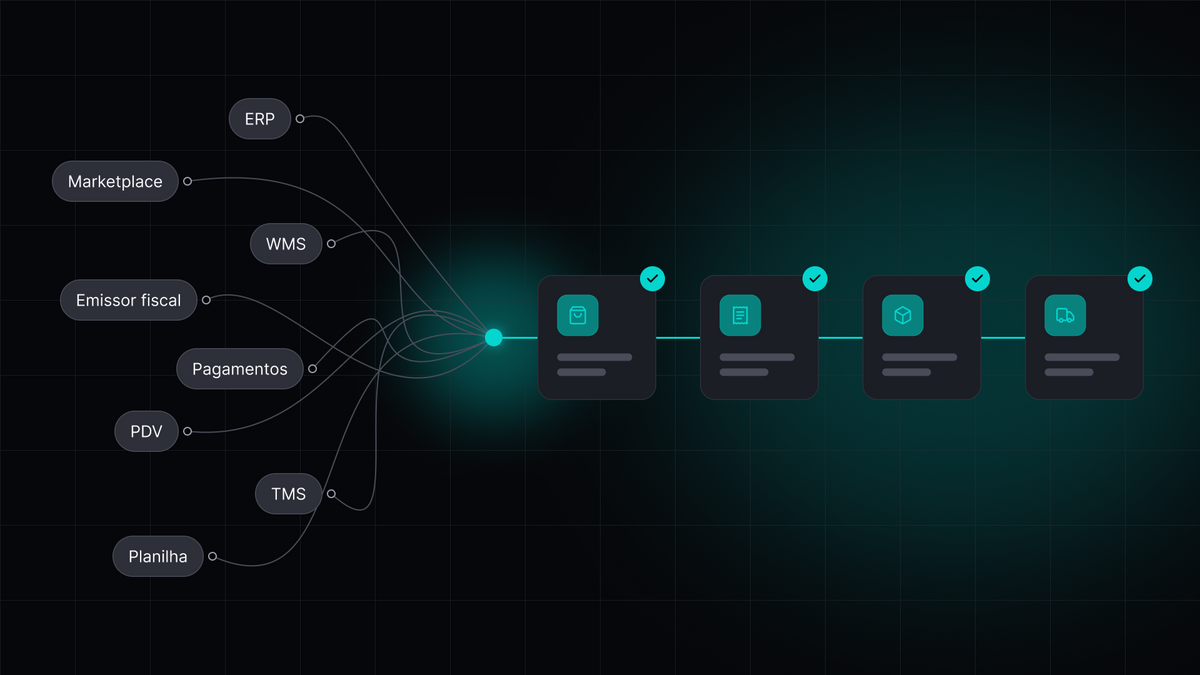
The e-commerce platform must be able to integrate other systems, such as inventory management, invoice issuance, or marketing tools you already use. Look for solutions that already communicate with each other and save money on expensive integrations.

-
Identify the touchpoints
E-commerce is another touchpoint for your company. The sales channel must match your company's communication, layout, and the level of service provided on other channels. You will need to control the user experience, so hire professionals to define the navigation, layout, colors, typography, and elements. Your credibility also comes from the beauty and ease of navigation on your website. -
Create a plan to start producing content
If you have already defined your marketing strategy, know that you can start it even before the e-commerce store goes live. You should activate your social media, create content for the blog, collect emails, test ads, etc. In addition to producing images and videos, you also need to produce descriptive texts, after all, in e-commerce you have text, photos, and videos, so explore them as much as possible. -
Ensure operational efficiency
Place a few test orders. Send a few products to your main target regions. Simulate Black Friday sales and be prepared for the real world. Define a customer service model and put all your channels operating on a single platform. Do not leave packaging until the start of operations, as custom packaging can often take up to 30 days to be produced. -
Marketing! Marketing! Marketing!
The most valuable tip from Check Commerce: identify your main traffic sources and create specific actions to attract visitors through each of them. Direct traffic, organic search, paid search, social media, email, ads, and referrals. Each source has different aspects, and defining a strategy for each one is a very efficient way to start an e-commerce store.
Good luck!